
Meet the Speakers
26.10.2026
15:45
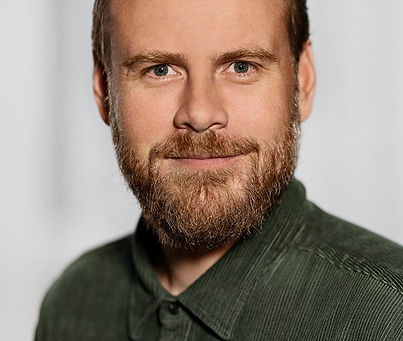
Intersectional Analysis in Biomedical Research
Prof. Dr. Mathias Wullum-Nielsen, University of Copenhagen, Denmark
Mathias Wullum Nielsen is Associate Professor in the Department of Sociology at the University of Copenhagen and Head of PhD Programs.
His research focuses on inequalities in science, academic careers, and intersectional analysis in biomedical and social research. He examines how structural and institutional factors shape diversity, representation, and knowledge production in academia.
His work contributes to advancing interdisciplinary approaches to equity and inclusion in research systems.

Clinical Practice Guidelines as Structural Instruments for Equity
Prof. Dr. med. Sabine Oertelt-Priogione, University of Bielefeld, DE
Sabine Oertelt-Prigione is a physician, researcher, and Professor of Sex- and Gender-Sensitive Medicine at the University of Bielefeld, as well as Chair of Gender in Primary and Transmural Care at Radboud University Medical Center in Nijmegen.
Her work spans clinical research, health systems, and implementation science, with a focus on integrating sex and gender perspectives into healthcare delivery and medical research. In addition to her academic roles, she is active as an organizational consultant and coach.
She has contributed extensively to international policy and research initiatives, including as a member of the EU Expert Groups “Gendered Innovations 2” and “Gender and COVID-19.” She currently serves on the Medicine Committee of the German Research Council and on the Medicines Board of the German Medical Association, alongside numerous professional societies in the field.

Bringing Sex and Gender into Clinical Standards: A Medical Society Perspective
Prof. Dr. med. Maria Rubini, National Centre for Cardiovascular Research, Madrid, Spain
Maria Rubini is a cardiologist at the Spanish National Center for Cardiovascular Research and the Ascires Biomedical Group.
She trained in Internal Medicine and Cardiology in Switzerland and completed postdoctoral research supported by the Swiss National Science Foundation at the Leipzig Heart Center, where she worked in interventional cardiology.
Her work integrates clinical cardiology with research, focusing on sex and gender differences in cardiovascular disease. She currently serves on the Board of the European Society of Cardiology (2024–2026) as Chair of the Gender Task Force.